Views: 0 Author: Site Editor Publish Time: 2025-11-06 Origin: Site
The debate between mini PCs and traditional desktop computers has become increasingly relevant as technology advances. One of the companies leading the way in mini PC innovation is BMAX, offering compact yet powerful systems that promise to deliver the performance of traditional desktops with the added benefits of portability, energy efficiency, and space-saving design. But the question remains: Can BMAX mini PCs truly replace traditional desktop computers for everyday users, professionals, and even gamers? In this article, we will dive deep into the features, advantages, and limitations of BMAX mini PCs to assess whether they are capable of replacing their larger counterparts.
Before comparing mini PCs with traditional desktop computers, it’s important to first understand what a mini PC is. A mini PC, as the name suggests, is a small form-factor computer designed to provide desktop-level performance in a compact, space-efficient package. These systems typically come with an integrated processor, memory, storage, and graphics, similar to traditional desktops, but they take up much less physical space. Mini PCs can offer similar processing power to a full-sized desktop, yet they often have additional advantages like lower energy consumption, portability, and ease of setup.
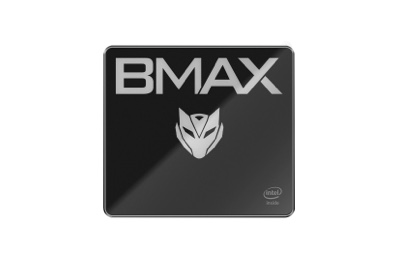
BMAX is one of the prominent brands in this space, producing mini PCs that are equipped with the latest processors, solid-state drives (SSDs), ample RAM, and the ability to handle a variety of tasks like browsing the web, office work, media consumption, and even light gaming.
BMAX mini PCs bring several key advantages that might make them appealing as replacements for traditional desktop computers. Let’s take a closer look at these advantages:
One of the primary selling points of mini PCs is their small form factor. BMAX mini PCs are often only a few inches in size, which is significantly smaller than traditional desktop towers. This makes them an ideal choice for those who have limited space in their homes or offices. For people living in apartments or smaller offices, mini PCs like those from BMAX can sit on a desk without taking up much room, and can easily be tucked behind a monitor or mounted to a wall to save even more space.
Traditional desktop computers, on the other hand, can take up significant amounts of space. They often require dedicated room for both the tower and peripherals like a monitor, keyboard, and mouse. The compact nature of BMAX mini PCs allows them to fit into more flexible environments and appeal to those seeking a minimalist or clutter-free setup.
Another clear advantage of BMAX mini PCs is their portability. While traditional desktop computers are bulky and not designed to be moved easily, mini PCs can be transported effortlessly due to their small size and lightweight design. This is particularly valuable for users who need to work in different locations or want to take their computing setup on the go. Whether you're a digital nomad who works from various cafes, or someone who frequently attends conferences and needs a portable system, a mini PC can offer the flexibility to work from almost anywhere.
Additionally, BMAX mini PCs can also be used in educational environments where multiple computers need to be easily moved or reconfigured. For example, a mini PC can be used in a classroom and stored in a small space after class, while traditional desktops would take up considerable space in a computer lab.
Mini PCs, including those from BMAX, generally consume much less power compared to traditional desktops. This energy efficiency is especially important for individuals who are conscious of their carbon footprint or want to save on electricity bills. Traditional desktop computers, especially older models or those with high-performance components, can draw substantial power and generate a lot of heat, which may require additional cooling solutions. In contrast, BMAX mini PCs, with their efficient components and compact design, consume significantly less power, making them a greener choice for environmentally-conscious users.
The lower energy consumption of mini PCs also makes them suitable for extended use, as they won’t overheat or require as much cooling as a full-sized desktop. This can also result in a quieter system, reducing the noise in an office or home workspace.
BMAX mini PCs are often more affordable than traditional desktop computers. The lower manufacturing costs associated with their compact size and energy-efficient components allow manufacturers like BMAX to offer competitive pricing. For users who need basic to moderate computing power without the need for a full-sized tower, BMAX mini PCs provide a cost-effective alternative.
In contrast, traditional desktop computers often come with higher price tags, especially if they are equipped with high-end processors, large storage capacities, or gaming-grade graphics cards. For individuals or small businesses that want to cut down on IT costs, BMAX mini PCs present a highly attractive option.
Despite their small size, BMAX mini PCs are not lacking in performance. Depending on the model, these mini PCs can be equipped with Intel or AMD processors, ranging from budget-friendly options to powerful processors like AMD Ryzen 7. They come with ample RAM ranging from 8GB to 24GB and solid-state storage (SSD), making them fast enough for tasks such as web browsing, word processing, video streaming, light photo editing, and even light gaming.
For users who need to perform basic office tasks, run productivity software, or use the internet for everyday needs, BMAX mini PCs are more than sufficient. Traditional desktop systems, while often more powerful, are overkill for these kinds of tasks and may only be necessary for specialized applications or advanced processing needs.
Because BMAX mini PCs use efficient, low-power components, they generally operate much more quietly than traditional desktop computers. Desktop PCs, especially those with high-performance GPUs and multiple fans, can be noisy due to the need for extra cooling. In contrast, BMAX mini PCs rely on passive cooling (with fewer moving parts) and can run almost silently, making them ideal for environments where noise is a concern, such as libraries, home offices, or studios.
While BMAX mini PCs offer several advantages, they do have limitations compared to traditional desktop computers. It is important to consider these aspects when determining whether a mini PC can fully replace a traditional desktop for your needs.
One of the key drawbacks of mini PCs, including those from BMAX, is limited upgradeability. While some models come with onboard RAM that cannot be upgraded, the majority of BMAX mini PCs feature replaceable memory and storage devices, making upgrades convenient for users with expanding needs.
Although replacing RAM or SSD in BMAX mini PCs is straightforward and flexible, they do not support changing the graphics card due to size and design constraints. This limitation could affect users who require advanced graphics performance or significant customization.
While BMAX mini PCs can handle everyday computing tasks, their graphics performance may be limited for very demanding applications such as large-scale games playing, professional video editing, or intensive 3D rendering. In fact, many BMAX mini PCs can smoothly run mainstream games, including 3D titles, and support popular video editing software like Capcut. However, running some large-scale games or high-end professional editing software may still be challenging.
For users requiring top-tier graphics performance, traditional desktops equipped with dedicated high-end GPUs remain the preferred choice.
Another limitation of mini PCs is that they may have fewer expansion ports compared to traditional desktop computers. While most BMAX mini PCs come with sufficient USB ports, HDMI outputs, and networking options, they may not support the extensive array of connectivity options found in traditional desktops, such as PCIe slots for additional graphics cards or specialized expansion cards.
For users who need multiple monitors, high-speed data transfers, or additional peripherals, a traditional desktop computer may be more suitable.
In conclusion, BMAX mini PCs can replace traditional desktop computers for users whose needs are focused on everyday tasks like web browsing, office work, media consumption, and light gaming. Their compact design, energy efficiency, quiet operation, and affordability make them ideal for small spaces, businesses, and those who value simplicity and convenience.
However, for users requiring high-end graphics, extensive customization, or the ability to upgrade their system, traditional desktops still hold an advantage. The choice between a BMAX mini PC and a traditional desktop depends on individual needs. For many, the mini PC offers sufficient performance with added portability and space-saving benefits, proving that mini PCs are a viable and often preferable alternative to full-sized desktops.